Clear the surfaces and the floors. That is genuinely most of it.
A cleaner cleans surfaces, so every surface covered in post, laundry or dishes is a surface that will not get cleaned. You are paying an hourly rate for someone to move your belongings from one place to another, which is the least valuable use of that hour.
Ten minutes of tidying before a visit typically converts into twenty or thirty minutes of additional real cleaning. It is the highest return activity available to you, and it costs nothing.
The ten minute version
If you do nothing else:
- Clear kitchen worktops
- Empty the sink of dishes, or load the dishwasher
- Pick clothes and towels off the floors
- Clear the bathroom surfaces of bottles and brushes
- Move anything off the floor that would need lifting to vacuum around
The fuller version
Kitchen
- Worktops clear
- Sink empty
- Dishwasher emptied if it holds clean dishes, so it can be loaded
- Spare bin liner left visible
- Anything you do not want touched put away
Bathrooms
- Bottles and toiletries off the bath edge and the basin surround
- Towels either in the wash or hung properly
- Bathmat lifted
- Anything valuable off the windowsill
Bedrooms
- Clothes off the floor and off the bed
- Clean bedding left out on the bed if you want it changed, since most cleaners will not go into your linen cupboard uninvited
- Bedside surfaces cleared
- Jewellery and cash put away in a drawer
Living areas
- Floors clear of toys, bags, shoes and cables
- Coffee table cleared
- Anything fragile moved somewhere safe
- Remote controls and chargers gathered in one place
Throughout
- Pets secured somewhere, or at least mentioned when booking
- Heating on if the house is very cold, since cleaning an unheated house in January is genuinely unpleasant and slower
- Parking sorted, or a note about where to park
- Any tradesperson visits rescheduled, since two people working in the same space halves both
Access
Sort this properly, because a cleaner who cannot get in has still lost the slot, and most companies charge for a lockout.
The options, roughly in order of how well they work:
Key safe. The best arrangement for most households. Cheap, the key never leaves the property, and you can change the code whenever you want. Mount it out of obvious sight and choose one rated to a recognised security standard rather than the cheapest available.
Key held by the company. Standard practice. Reputable firms hold keys coded rather than labelled with your address. Ask how they store them and what happens if one is lost.
You are home. Fine, but genuinely slower, since people naturally work around you and conversation takes time.
Neighbour or concierge. Workable but fragile, and it fails the first time the neighbour is out.
Smart lock with a time-limited code. Best if you already have one, since you can see when the door was opened and issue a code that only works on cleaning days.
Also cover the alarm: give a separate user code you can revoke, and explain what happens if it triggers.
Valuables and privacy
Reasonable precautions are not an insult, and any professional will expect them.
- Put cash, jewellery and small valuables away in a drawer. Not hidden, just not on open surfaces
- Say clearly if a room is out of bounds. A home office or a nursery being off limits is completely normal
- Say if there are things you would rather were not moved, such as a desk or a stack of paperwork you understand and nobody else does
- Secure confidential documents, which is simple courtesy rather than suspicion
- Check your contents insurance if a third party will hold a key. Most UK policies are fine with it, but some have conditions, particularly around key safes and theft without forced entry
Equally, expect the company to carry public liability insurance and to show you the certificate on request.
Products
Agree in advance who supplies what.
If you are providing them, check before each visit that there is enough of everything, particularly floor cleaner and cloths, which run out fastest. A cleaner who runs out halfway through has lost the second half of the visit and you still pay for it.
Tell the cleaner about anything that needs a specific product or approach:
- Natural stone worktops or floors, which need pH-neutral cleaner and are permanently etched by acidic descalers
- Waxed or oiled wood, which is stripped by general cleaners
- Induction hobs, which mark with the wrong pad
- Laminate flooring, which is damaged by too much water
- Any allergies or sensitivities in the household
- Anything antique or with a delicate finish
Getting this wrong causes permanent damage, and it is almost always a communication failure rather than a competence one.
The first visit
Expect it to take longer and to produce a slightly less perfect result than later visits. The cleaner is learning the house: where things live, which surfaces need what, which door sticks, where the sockets are.
Walk them round for five minutes at the start. Cover:
- Priorities, meaning what you care about most
- Anything fragile or valuable
- Anything off limits
- Where the bin bags, cloths and vacuum live
- How the heating and hot water work
- Where to park
- Any pets and their habits
- How to lock up
Those five minutes save an hour across the first month.
If the house has not been properly cleaned in a long time, book a deep clean first rather than expecting a regular visit to catch up. Maintenance hours cannot absorb a year of backlog, and starting from a poor baseline makes every subsequent visit look disappointing.
What not to do
Do not clean before the cleaner comes. Tidy, yes. Clean, no. It is surprisingly common and it wastes the money you are spending.
Do not leave a list longer than the hours allow. If the list has grown, buy more hours.
Do not save up special jobs for the regular visit without agreeing extra time. The oven is not a surprise you can spring.
Do not leave the house freezing and expect the same standard.
Do not hover. Most people work better without an audience.
Do not book a tradesperson for the same slot. Two people working around each other halves the productivity of both.
Do not leave pets loose if they are anxious around strangers, for everyone's sake including theirs.
Feedback
Say something after the first two or three visits, positive or otherwise. Specific and early is best.
"The shower screen still has water marks" gets fixed immediately and permanently, because it is a concrete, actionable observation. Saying nothing for four months and then cancelling helps nobody, and the fix was usually a single sentence.
Equally, say what is going well. Cleaners rarely hear it, and a cleaner who knows you are happy with how they do the bathroom will keep doing it that way.
Frequently asked questions
Should I be home for the first visit? Ideally yes, for the walk-round. After that, most people are not.
What if I forget to tidy? The cleaner will work around it, which means less gets cleaned. It is not a disaster, but it is a wasted opportunity.
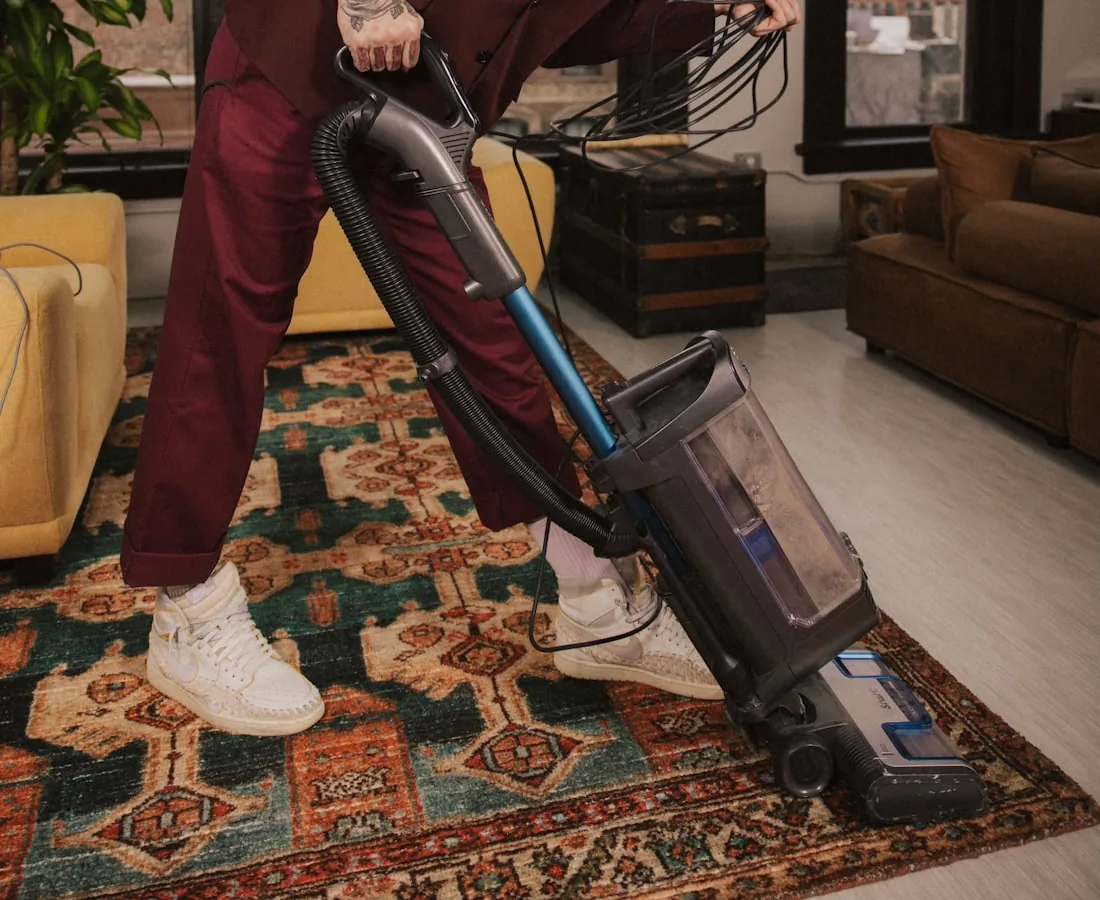
Do I need to provide a vacuum? Depends on the arrangement. Many companies bring their own; many use yours. Agree it before the first visit, and if it is yours, make sure it works.
Should I leave a note? A short standing note of priorities is helpful. A long list of extras each week is not, unless you are paying for the hours.
What about my dog? Mention it when booking. Most cleaners are fine with pets, but they need to know, and an anxious dog is better shut in one room.
Can I ask them to use my products only? Yes, and it is a common arrangement. Just make sure there is always enough.