End of tenancy cleaning is a full, top to bottom clean of a rental property carried out when a tenancy ends. It covers everything an inventory clerk inspects: inside the oven, inside kitchen cupboards, limescale on taps and shower screens, skirting boards, window interiors, extractor filters, and every surface behind and underneath the furniture. It costs between £180 and £420 across most of the UK, and it matters because cleaning is the single most common reason deposits get reduced.
That last point deserves the emphasis. According to Deposit Protection Service data reported in June 2026, cleaning accounted for 29.38% of all deposit claims across the year, and it has topped the list for five years running. The figure has climbed steadily from 24.57% in 2021. Cleaning beats damage, decoration, rent arrears and everything else, every single year.
This guide covers the whole thing: what the work actually involves, what it costs, what your landlord can and cannot require, how to do it yourself if you would rather, and what evidence protects you if there is a disagreement afterwards.
The short version
- End of tenancy cleaning is judged against your check-in inventory, not against a general idea of "tidy".
- Budget £180 to £420 depending on property size, with London at the upper end.
- Cleaning causes more deposit deductions than any other category, five years running.
- Your landlord cannot force you to hire a professional, but they can deduct if the property is dirtier than when you moved in.
- The single most valuable thing you can do is photograph everything, at check-in and at check-out.
What end of tenancy cleaning actually includes
A standard clean keeps a lived-in home pleasant. An end of tenancy clean resets the property to the state recorded on your check-in report. Those are different jobs, and the second takes three to four times as long.
Here is the full scope, room by room.
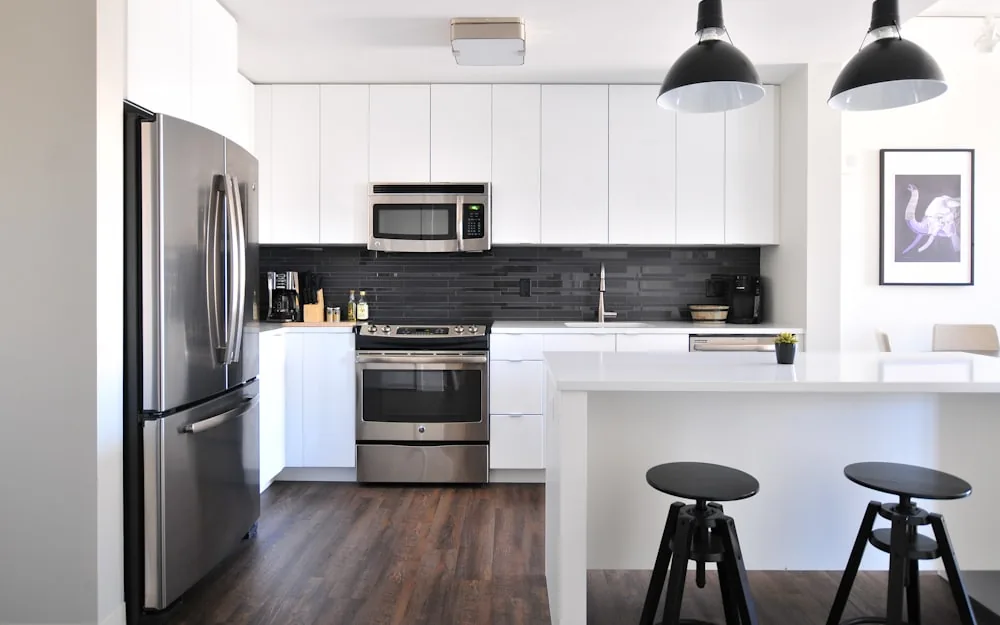
Kitchen
The kitchen absorbs roughly 40% of the total time and causes most of the disputes.
- Oven interior: racks, shelves, side runners, door glass inside and between the panes where accessible, and the grill pan
- Hob, including underneath the burner caps and around the seals
- Extractor hood, with the filter degreased or replaced
- Splashback and tiles, degreased rather than wiped
- Inside every cupboard and drawer, including back corners and runners
- On top of the cupboards, where grease and dust combine into a film
- Underneath the kickboards, if they lift out
- Fridge and freezer: defrosted, shelves and drawers washed, seals cleaned, left switched off with the door propped open
- Washing machine: detergent drawer, rubber door seal, and the filter behind the bottom panel
- Dishwasher: filter, spray arms and seals
- Microwave inside and out, including the turntable
- Sink, drainer and taps descaled and polished, plus the overflow
- Bin cleaned inside and out
- Worktops, including the join at the back wall
- Skirting, radiator, light switches, door handles
- Floor swept, mopped and left dry
Bathrooms
Bathrooms are slow, detailed work, and limescale does not negotiate.
- Limescale removed from taps, shower head, shower screen, tiles and grout
- Shower screen seals and the tracks they sit in
- Bath, including the sealant line and the overflow
- Toilet: bowl, under the rim, seat hinges, base and behind the pan
- Basin, pedestal and plughole
- Mirrors and chrome polished so there are no water spots
- Extractor fan vent dusted
- Cabinet interiors
- Towel rails and radiators
- Tiles washed down rather than wiped
- Floor mopped, including behind the toilet
Bedrooms and living areas
- Wardrobe and drawer interiors, including rails and top shelves
- On top of wardrobes
- Under beds and behind furniture
- Window interiors, sills, frames and the tracks the windows run in
- Curtain poles and blind slats
- Light fittings and lampshades
- Mirrors
- Radiators, including behind them
- Skirting boards, door tops, switches and handles
- Marks removed from walls where they lift without taking paint
- Carpets vacuumed thoroughly, including edges and where furniture stood
Hallway, stairs and entrance
- Stair carpet vacuumed, including edges and risers
- Bannister and spindles wiped
- Front door, both sides, including the letterbox and any glass
- Meter cupboard
- Coat hooks and the wall behind them
The parts people forget
These are exactly the places an inventory clerk photographs, and they are where most deductions originate.
- Inside the oven door glass, which clerks look through
- The washing machine rubber seal, where black mould sits in the fold
- On top of kitchen cupboards
- Window tracks and hinges, where grit collects and photographs badly
- Behind the toilet and the base of the pan
- Extractor filters, both kitchen and bathroom
- Skirting boards behind where furniture stood, often never cleaned in years
- Light switches and door handles, which show finger marks in photographs
- The bin store or outside bin, if it belongs to the property
- Loft hatch and airing cupboard, if they appear in the inventory
What it costs
Prices vary by property size and region more than by anything else.
| Property | Typical UK range | London range |
|---|---|---|
| Studio | £120 to £180 | £150 to £240 |
| 1 bedroom | £150 to £250 | £180 to £300 |
| 2 bedrooms | £200 to £300 | £240 to £380 |
| 3 bedrooms | £300 to £420 | £340 to £500 |
| 4 bedrooms | £380 to £480 | £420 to £580 |
| 5+ bedrooms | £450 to £600 | £520 to £750 |
Bathrooms matter as much as bedrooms. A two bedroom flat with two bathrooms often prices closer to a three bedroom, because bathrooms are the slowest rooms in any property.
What is usually charged extra
| Extra | Typical cost |
|---|---|
| Carpet cleaning, per room | £35 to £60 |
| Carpet cleaning, whole 2 bed flat | £75 to £175 |
| Single oven deep clean | £45 to £80 |
| Range cooker | £80 to £130 |
| Exterior windows | £30 to £90 |
| Upholstery, per sofa | £45 to £90 |
| Balcony or patio | £30 to £60 |
If your tenancy agreement mentions professionally cleaned carpets, which is common where pets have been kept, get this priced alongside the main clean rather than booking a separate visit later. A second visit means a second minimum charge.
What pushes the price up
Condition rather than size. A flat cleaned weekly for two years takes far less time than an identical one that has not been touched. Most companies ask how long you have lived there and when the oven was last cleaned. Answer honestly, because a quote based on wrong information gets revised on the day.
The oven. The single biggest variable. A neglected oven can absorb two hours on its own.
Pets. Hair works into carpets, skirting and upholstery. Expect a supplement.
Furniture still in place. An empty property is quicker and can actually be cleaned properly. A furnished one costs more and delivers less.
Timing. Late June through August is peak season, when student and academic tenancies all end together. Same-week bookings in that window carry a premium if you can get one at all.
Location. London carries a real cost base: higher wages, congestion and ULEZ charges, and parking. Central London jobs sometimes add a parking line.
VAT. Smaller operators below the registration threshold do not charge it. Larger companies do, and that is a 20% difference on identical work. Always ask whether the figure quoted is the figure you pay.
Can your landlord require a professional clean?
In England, no, not as a blanket condition of the tenancy.
The Tenant Fees Act 2019 stopped landlords and letting agents in England from charging tenants for professional cleaning simply as a term of the tenancy. A clause saying you must produce a receipt from an approved company is not enforceable. Landlords and agents can only require a limited set of permitted payments: rent, a capped tenancy deposit, a capped holding deposit, a change of tenancy fee, early termination costs, utilities and council tax, and default fees in narrow circumstances such as a lost key.
Wales has similar provisions under the Renting Homes (Fees etc.) (Wales) Act 2019. Scotland has long restricted premiums beyond rent and deposit. Northern Ireland has its own rules. Check the position where your property actually is.
What has not changed anywhere is the standard. You are still required to return the property in the condition it was in at the start of the tenancy, allowing for fair wear and tear. If the check-in inventory records a spotless oven and the check-out shows a greasy one, the landlord can make a reasonable deduction from your deposit to put that right. Whether you cleaned it yourself or paid someone is irrelevant. Only the outcome is judged.
So the position is: they cannot dictate the method, but they can hold you to the result.
Fair wear and tear, in practice
This phrase decides most borderline cases. It means deterioration from normal use over the length of the tenancy, accounting for the number of occupants. Longer tenancies attract more allowance.
| Situation | Usually wear and tear | Usually cleaning or damage |
|---|---|---|
| Carpet flattened in traffic areas after 3 years | Yes | |
| Carpet with visible stains | Yes | |
| Grout slightly greyed over time | Yes | |
| Grout with soap scum and mould | Yes | |
| Oven with light discolouration | Yes | |
| Oven with baked-on carbon deposits | Yes | |
| Limescale on a tap after 4 years in a hard water area | Arguable | Arguable |
| Scuffs on a wall at handle height | Yes | |
| Crayon on a wall | Yes |
How to protect your deposit
The tenants who keep their full deposit tend to do the same four things.
1. Find your check-in inventory before you start. It is the document you will be measured against. If the oven was already marked at check-in, you are not responsible for returning it better than you found it. If you queried the inventory in writing when you moved in, dig out that email too.
2. Photograph everything after cleaning. Date-stamped photographs of the oven interior, the shower screen, the carpets, inside the fridge and every cupboard interior take ten minutes and settle most disputes on their own.
3. Clean after you have moved out, not before. Cleaning a furnished, occupied flat and then dragging boxes across it is wasted money and effort. Empty first, clean second.
4. Keep the receipt and the checklist. If you use a company, ask for an itemised checklist rather than a one-line invoice. A receipt saying "cleaning £250" proves you spent money. An itemised checklist proves what was actually done.
Only about 1% of protected deposits reach formal adjudication, according to DPS figures for the year to March 2025. The overwhelming majority of disagreements are settled directly between tenant and landlord, which means the evidence you hold matters most during the negotiation, long before any scheme gets involved.
Doing it yourself versus hiring in
There is no shame in doing it yourself, and for a small, well-maintained flat it is entirely realistic. Be honest about the time, though.
| Doing it yourself | Hiring a company | |
|---|---|---|
| Cost | £30 to £60 in materials | £180 to £420 |
| Time, 2 bed | 10 to 14 hours, one person | 5 to 7 hours, not yours |
| Oven | The hardest part by far | Included, with proper degreasers |
| Carpets | Hire machine, £25 to £35/day | £75 to £175, better result |
| If it fails inspection | You go back and redo it | A good company re-cleans free |
| Evidence for a dispute | Your own photographs | Invoice plus itemised checklist |
Realistic timings if you do it yourself
| Property | One person | Team of two |
|---|---|---|
| Studio | 5 to 6 hours | 3 hours |
| 1 bedroom | 7 to 9 hours | 4 hours |
| 2 bedrooms | 10 to 14 hours | 5 to 7 hours |
| 3 bedrooms | 14 to 18 hours | 7 to 9 hours |
What you need if you do it yourself
- A caustic or gel oven cleaner, ideally the kind with a bag for the racks
- Long chemical-resistant gloves
- A plastic scraper, never metal on enamel
- A limescale remover, essential in hard water areas
- A proper degreaser
- Biological washing powder for soaking racks and filters
- Microfibre cloths, colour-coded so the bathroom cloth never touches the worktop
- A stiff brush for grout and an old toothbrush for corners
- A vacuum with a working brush bar and a clean filter
The deciding factor for most people is the guarantee rather than the labour. A reputable company will return and re-clean at no charge if the agent flags something within a set window, commonly 48 to 72 hours. In a dispute worth several hundred pounds, that is the thing you are actually buying.
When to book
Book the clean for the day after your furniture leaves and at least one full day before your check-out appointment. That gap is your insurance: if the agent finds something, there is time to fix it before the keys change hands.
In practice this means booking one to two weeks ahead in normal periods, and three weeks ahead if you are moving at the end of June, July or August, when every local company is full.
If a deduction is proposed anyway
Do not agree immediately and do not ignore it. Reply in writing asking for three things: an itemised breakdown of the proposed charge, a copy of the check-in inventory, and dated photographs of the specific items being claimed for.
Most cleaning deductions are reduced or dropped at that point, because a round number with no evidence rarely survives a polite request for detail. If you cannot agree, the deposit scheme holding your money offers free dispute resolution, decided on documents, with the burden of proof on the landlord. Schemes generally have time limits for raising a dispute, commonly three months from the end of the tenancy, so do not let it drift.
Ask for the undisputed portion of your deposit to be released while the rest is decided.
Frequently asked questions
Does end of tenancy cleaning include carpets? Usually not as standard. Vacuuming is included; professional hot water extraction is a separate line item at roughly £35 to £60 per room. Check your tenancy agreement, because some specify professionally cleaned carpets where pets have been kept.
Do I need to be there? No. Most companies work from a key collected from the agent, or from a key safe.
What if the property is still furnished? Say so when you book. It takes longer, the price will be higher, and some areas simply cannot be reached, which the company should note on the paperwork.
How long does it take? Roughly four hours for a studio, five to seven hours for a two bedroom flat with a team of two, and a full day for a family house.
Is end of tenancy cleaning more expensive than a deep clean? Slightly, usually. The scope is nearly identical but the standard is external: it has to satisfy an inventory clerk against a check-in report rather than satisfy a household.
Can I be charged a cleaning fee after I move out? Your landlord can propose a deduction from your deposit if the property is less clean than at check-in. They cannot charge you a separate professional cleaning fee as a condition of the tenancy in England.
What if my landlord never did a check-in inventory? That works in your favour. Without a check-in record, a landlord struggles to prove the property was ever cleaner than you left it.
Do I have to clean the outside windows? Only if the inventory records them as clean and access is safe and available. Most agreements do not require tenants to work at height.